Adductor workout: how to strengthen the inner thigh with more function and balance
Understand why the adductors matter more than they seem, which exercises actually make sense and how to fit this work into your leg training with more clarity.

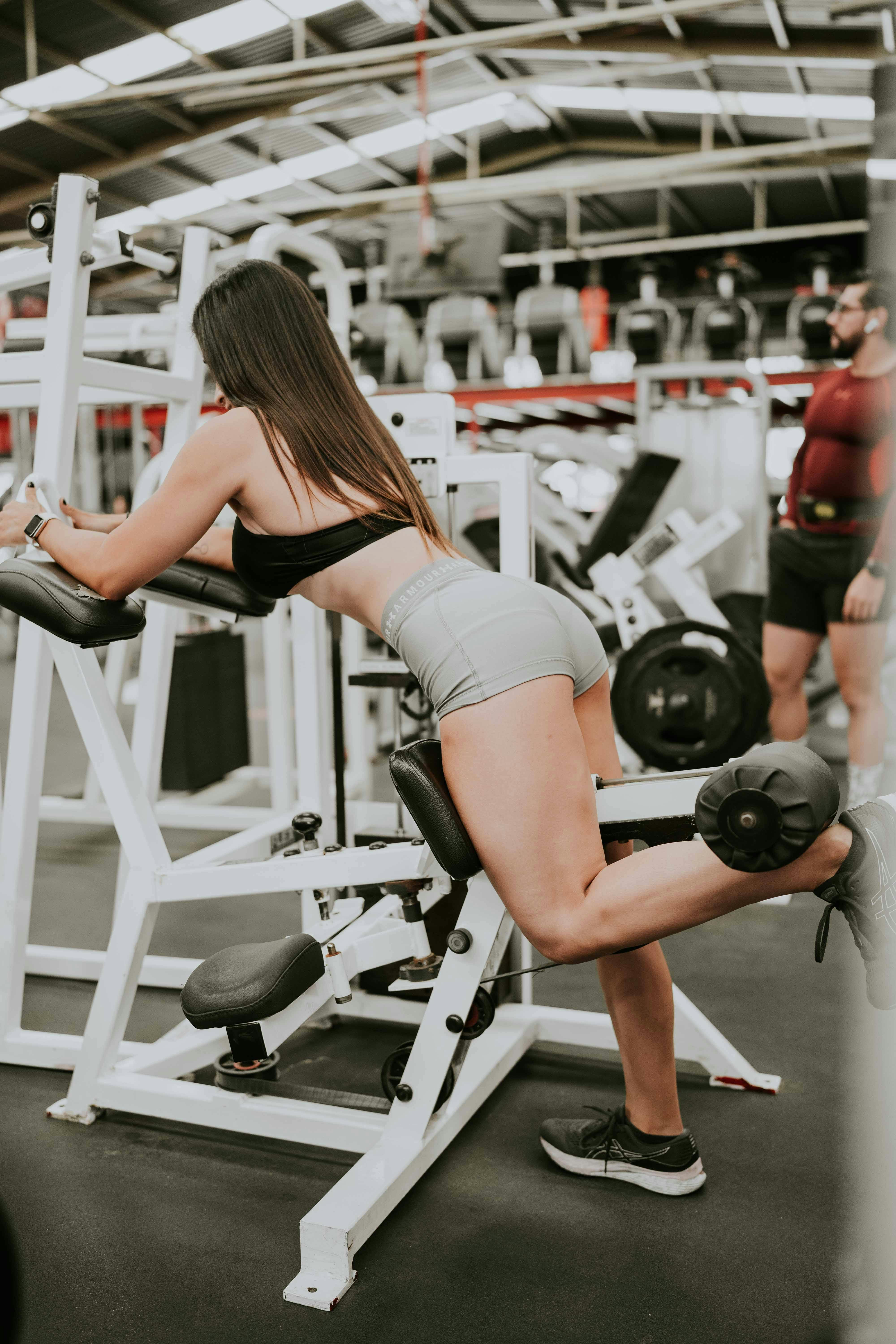
If you have trained legs for a while, you have probably thought a lot about quads, glutes and hamstrings. But there is one group that almost always ends up in the background: the inner thigh. And this neglect usually happens not because it is unimportant, but because many people do not even know where this work fits.
When the topic comes up, it usually comes with noise too. Either the content falls into an overly aesthetic speech, or it becomes a list of loose exercises without explaining what the adductors are really for. In the end, someone does the adductor machine now and then, but without understanding whether it has a real function in the routine.
In practice, training adductors is not isolating a detail of the leg. It is strengthening a part of the lower body that takes part in stability, control and force production in various movements. If you are still deciding how this focus fits the week, cross this text with Leg workout, Full body workout, Upper/lower split and Push/pull/legs.
In SelfShapeAI, this kind of adjustment gets more useful because the workout is not born as a random list of inner-thigh exercises. It is born with context, an explanation of the plan's logic, session logging and room to adjust when an exercise does not fit or when the groin area asks for more care. To understand this proposal better, also open Intelligent AI-powered training, What is SelfShapeAI and How to use SelfShapeAI.
Contents
- 1. What the adductors really are
- 2. Why training adductors matters more than it seems
- 3. Exercises that actually make sense
- 4. 1. Squatting through a controlled range
- 5. 2. Hack squat or leg press
- 6. 3. Adductor machine
- 7. 4. Lateral lunge
- 8. 5. Copenhagen plank
- 9. 6. Cable adduction
- 10. 7. Bridge with compression
- 11. How to build an adductor block in practice
- 12. Frequency: how many times a week it makes sense to train adductors
- 13. Common mistakes in adductor training
- 14. 1. Thinking only about aesthetics
- 15. 2. Thinking only the machine solves everything
- 16. 3. Never training lateral control
- 17. 4. Overdoing volume
- 18. 5. Ignoring what the body is signaling
- 19. Where SelfShapeAI comes into this
- 20. Frequently asked questions
What the adductors really are
The inner-thigh adductors include adductor longus, brevis and magnus, plus gracilis and pectineus. Bringing the thigh inward is their best-known function, but some portions also stabilize or extend the hip depending on position. They therefore participate in direct adduction, squats and other leg movements.
- Hip control.
- Stability in unilateral movements.
- Support in squatting patterns.
- Deceleration and change of direction.
- Lower-body coordination when the base changes.
This matters because it corrects a very common bad idea: that the adductor is too secondary a muscle to deserve attention. It is not. But it also does not need to be treated as the absolute protagonist of every leg workout. The point is fitting this work in more intelligently.
If you like looking at this kind of organization with more method, review the practical RPE and RIR guide, How to build more muscle and How many sets to build muscle.
Turn understanding into a workout you can follow
SelfShapeAI uses your routine and goal to build an explained plan, log every session and guide the next adjustment.




Download for free. Annual: R$ 299,90/year, equivalent to about R$ 25/month; monthly: R$ 39,90/month. See how AI training works.
Why training adductors matters more than it seems
Adductor training does more than create an inner-thigh sensation. It can develop adduction strength and contribute to force production in compound exercises.
- They improve control and stability.
- They come into various compound patterns.
- They help add more consistency to unilateral and lateral movements.
- They complement a leg workout that is sometimes too focused only on glutes, quads and hamstrings.
Strong adductors do not automatically prevent pain or injury. A 2025 meta-analysis found Copenhagen exercises improved strength but did not significantly reduce groin injuries, and rated the evidence very low quality. The defensible benefit is training a specific capacity, rather than guaranteed protection.
Another important point is separating function from aesthetics. Training adductors can indeed make the leg more complete, but there is no spot reduction and no thigh gap created by an exercise. If content starts down that path, it has already left useful territory.
Exercises that actually make sense
1. Squatting through a controlled range
Squats stimulate the adductors without needing a sumo variation. In a ten-week study, full squats increased adductor volume more than half squats. This does not require everyone to reach maximum depth: build range within individual technique and tolerance.
A wider stance may suit some anatomies, but is neither required nor a guarantee of more growth. Choose a stance that lets the knees and hips move with control through a repeatable range.
- Stance and foot rotation adapted to anatomy and comfort.
- Knees following the feet's path without an artificially imposed position.
- A controlled range that can gradually increase.
- A load compatible with technique, without turning depth into a competition.
2. Hack squat or leg press
Hack squats and leg presses also recruit adductors in a compound pattern and may help when external stability supports hard sets. Stance adjustments change comfort and mechanics, but no universal width isolates the inner thigh.
Use a position that supports consistent range and progression. If adduction itself is the priority, machines or cables offer a more direct, measurable approach.
3. Adductor machine
This is an exercise many people underrate needlessly. The adductor machine can be a very good tool for direct work on the inner thigh, especially when the goal is to give specific attention to the region with more control.
It is not inferior just for being a machine. In fact, in many cases, it is precisely the simplest, clearest way to do direct adductor work without turning everything into improvisation.
4. Lateral lunge
The lateral lunge fits very well because it takes training out of the front-and-back-only logic. It puts the body to deal with lateral displacement, control and force production in a pattern many people almost never train.
This kind of movement is usually very useful to make the lower body less limited to squatting, pushing and pulling on the same axis all the time.
5. Copenhagen plank
This demanding adduction exercise is widely studied in athletes. Reviews show strength improvements, but do not justify calling Copenhagen exercises alone guaranteed injury prevention or superior for hypertrophy.
Start with a short lever, supporting the knee, or choose a machine or cable. Progressing to ankle support should respect control and groin tolerance.
6. Cable adduction
Cable adduction fits well as an isolation option when you want to refine adductor work with clearer range and path. It can work very well for those who do not like the adductor machine or want to vary the stimulus.
7. Bridge with compression
A ball or cushion for a light isometric squeeze can provide familiarization, but resistance is difficult to measure and progress. Do not treat that bridge as equivalent to loaded adduction for strength or hypertrophy.
How to build an adductor block in practice
An adductor focus does not need to dominate the whole workout. For many people, it works better as part of a well-built lower body.
- For hypertrophy, retain the planned squat, hack squat or leg press and add two to four machine or cable sets.
- For sport-specific adduction strength, keep the main training and use two to three Copenhagen sets in a manageable regression.
- A lateral lunge can replace another accessory when practicing the frontal plane; it need not be added to everything.
- A squeeze bridge remains a light familiarization option, rather than the block's foundation.
These are alternative approaches, not a complete checklist to perform. Count compound sets in the overall leg workload and add direct work only when priority and recovery support it.
If you want to compare how this fits different week structures, go through 3-day workout split, 4-day workout split, 5-day workout split and Full body vs. split training.
Frequency: how many times a week it makes sense to train adductors
One or two weekly exposures are practical ways to distribute work, rather than a proven ideal dose for everyone. Separate two considerations:
- Adductors already take part in various leg exercises.
- That does not mean direct training is unnecessary.
When your routine already has plenty of well-built lower body, maybe a smaller adductor block is enough. When they are completely forgotten, it can make sense to give more attention for a while. The mistake is going to the opposite extreme and turning the inner thigh into an obsession, stacking volume needlessly and irritating the groin area.
Common mistakes in adductor training
1. Thinking only about aesthetics
This is one of the biggest problems with the topic. When adductor training is treated only as slimming the leg or changing the inner thigh, the subject is born crooked.
2. Thinking only the machine solves everything
The adductor machine can be great, but it does not have to carry the workout alone. Compound, lateral and unilateral movements also enter this conversation.
3. Never training lateral control
If the whole lower body happens only on the most traditional axis, you lose an important part of body control. That is why lateral lunges, variations with displacement and stability blocks make such a difference.
4. Overdoing volume
More is not better. In adductors, overdoing volume can just turn the session into needless discomfort, especially if the groin area is already sensitive.
5. Ignoring what the body is signaling
If pain develops, pause progression and review range, load and variation. Persistent, intense or function-limiting pain needs professional assessment; RPE does not measure symptom severity. See warm-up sets and when to increase load.
Where SelfShapeAI comes into this
First, it helps build the workout with more context. Instead of remembering the adductors only when the feeling hits that the inner thigh is forgotten, you can create a plan that already distributes the leg stimulus better across the week.
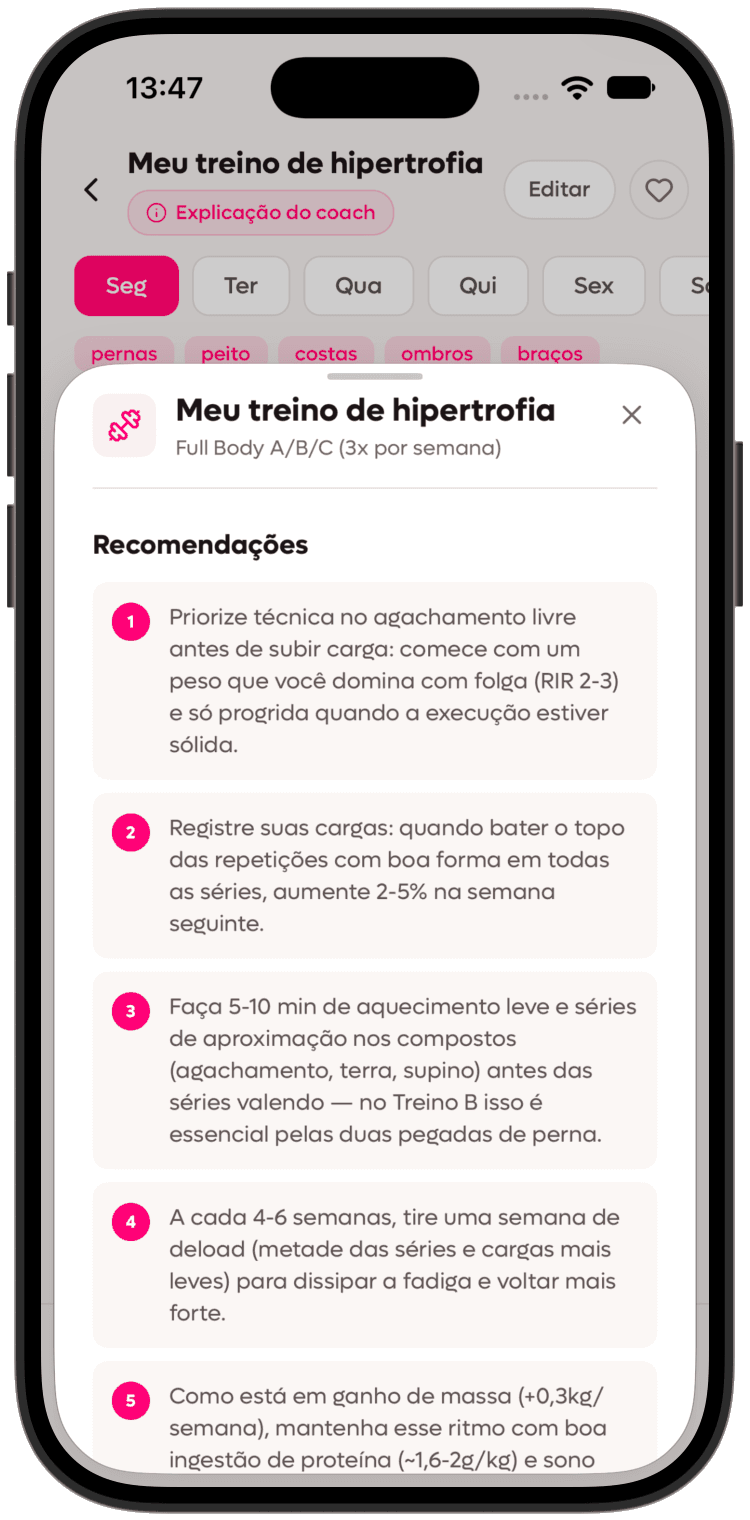
Then comes the explanation of the plan's logic. This point is important because many people do not understand why an adductor block entered the workout, why it shows up with little volume or why the lateral variation was placed alongside the rest of the lower body. When the logic is clear, execution improves.
In practice, SelfShapeAI also helps log weight, reps, sets and session notes. In an adductor focus, this matters a lot for notes like feeling more quads than inner thigh, noticing the wide base fit better that day, spotting sensitivity in the groin area or understanding when the adductor machine delivered better with less load and more control.
Those notes, combined with check-ins, make the adjustment less random. Instead of switching exercises on a guess, you start understanding what is working and what needs to change.
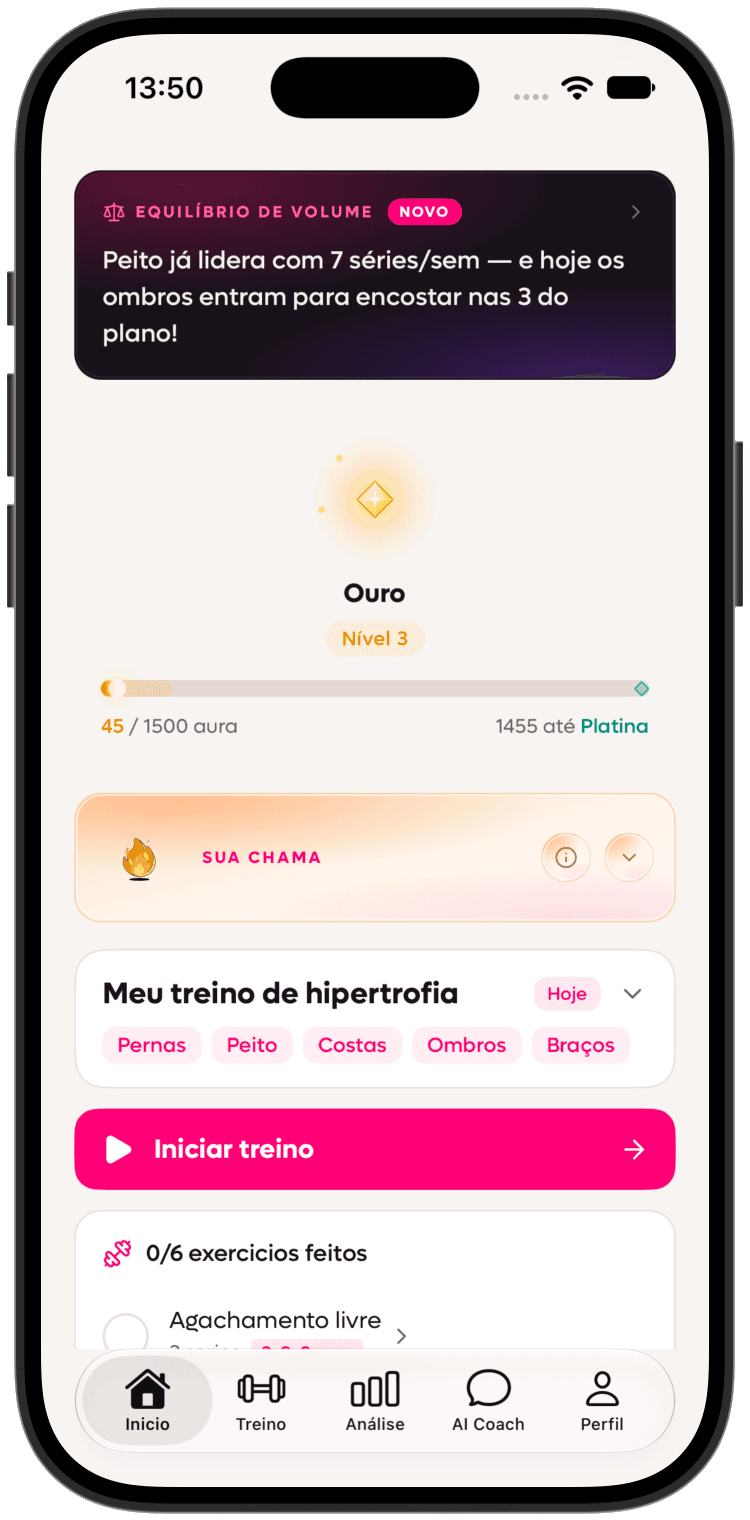
SelfShapeAI shows volume, muscle groups, records and load per exercise. For an adductor block, this helps check whether direct work fits lower-body training and load progresses without a persistent decline in execution.
AI Coach can discuss alternatives within your active plan when no adductor machine is available or a variation does not fit. It does not diagnose groin pain or replace clinical assessment. Explore AI training, features and pricing.
Frequently asked questions
- Is the adductor already trained in the squat?Yes, it already takes part in various leg movements. But that does not mean direct training is useless. In many cases, it just comes in with less emphasis than people imagine.
- Does the adductor machine really serve any purpose?Yes, it does. It can be a very good tool for direct, controlled work on the inner thigh.
- Do I need direct inner-thigh training if I already do lower body?It depends on the context. In some routines, indirect activation already helps a lot. In others, it is worth adding direct work so this part is not forgotten.
- How many times a week does it make sense to focus on adductors?One or two exposures are practical ways to distribute work, but there is no universal frequency. Also consider the squat, hack squat and leg-press sets that already recruit the adductors.
- If the groin bothers me, what should I adjust first?Pause progression and review load, range and exercise. If pain persists, is intense or limits movement, seek a health professional instead of using training or the app as a diagnosis.
- Does SelfShapeAI help organize this focus?It helps because this kind of detail depends a lot on context. The app helps build, explain, adjust, log and track the workout with more clarity.
Good adductor training means understanding how the inner thigh contributes to stability, control and overall lower-body work. Explore AI training, features and pricing, then open SelfShapeAI to put it into practice.
Sources and references
- Source: Kubo K et al. Effects of squat training with different depths on lower limb muscle volumes. Eur J Appl Physiol, 2019. — European Journal of Applied Physiology (PubMed)
- Source: Quintana-Cepedal M et al. The Copenhagen Adduction Exercise Effect on Sport Performance and Injury Prevention: A Systematic Review With Meta-Analysis. Scand J Med Sci Sports, 2025. — Scandinavian Journal of Medicine & Science in Sports (PubMed)
- Source: Currier BS et al. American College of Sports Medicine Position Stand. Resistance Training Prescription for Muscle Function, Hypertrophy, and Physical Performance in Healthy Adults. Med Sci Sports Exerc, 2026. — ACSM (PubMed)
Reviewed by the SelfShapeAI research team using strength-training guidelines and studies.
Take this method to the app

Create your plan with AI, log check-ins and use the AI Coach to adjust training with context.
Share
SelfShapeAI Team
SelfShapeAI technical and editorial team.
Keep learning

Recommended next article
Full body vs. split training: which routine makes more sense for your goal?
Find out when full body or a split makes more sense for hypertrophy, a busy schedule and muscle focus.
Continue →